Are Seed Oils Actually Bad for You? The Honest Truth
Scroll through social media, and you might think a war has been declared on a common kitchen staple: seed oils. One side claims they’re a primary driver of chronic disease, inflammation, and weight gain. The other, including many mainstream health organizations, has promoted them for decades as a heart-healthy alternative to saturated fats.
So, what’s the real story? Are these oils, found in everything from salad dressings to baked goods, a harmless part of our diet or a hidden health hazard?
The term “seed oils” typically refers to oils extracted from the seeds of plants, often through high-heat, industrial processes. This includes oils like soybean, corn, canola, cottonseed, sunflower, and safflower oil. In this guide, we’ll cut through the noise and give you an honest, balanced look at the science. We’ll explore both sides of the argument so you can understand the real risks and make an informed decision for your health.
The Argument: Why People Are Concerned About Seed Oils
The case against industrial seed oils generally boils down to three main concerns.
1. The Omega-6 to Omega-3 Imbalance
Our bodies need both Omega-6 and Omega-3 fatty acids to function—they’re “essential.” However, they have opposing jobs. Think of Omega-3s as anti-inflammatory, while Omega-6s are pro-inflammatory. We need some inflammation for healing, but the problem is the ratio.
An ideal, ancestral ratio is somewhere between 1:1 and 4:1 (Omega-6 to Omega-3). The modern Western diet, thanks to the prevalence of seed oils in processed foods, can have a ratio as high as 20:1. This chronic imbalance is believed by many experts to be a major driver of systemic inflammation, which is at the root of many chronic diseases.
2. High-Heat, Chemical Processing
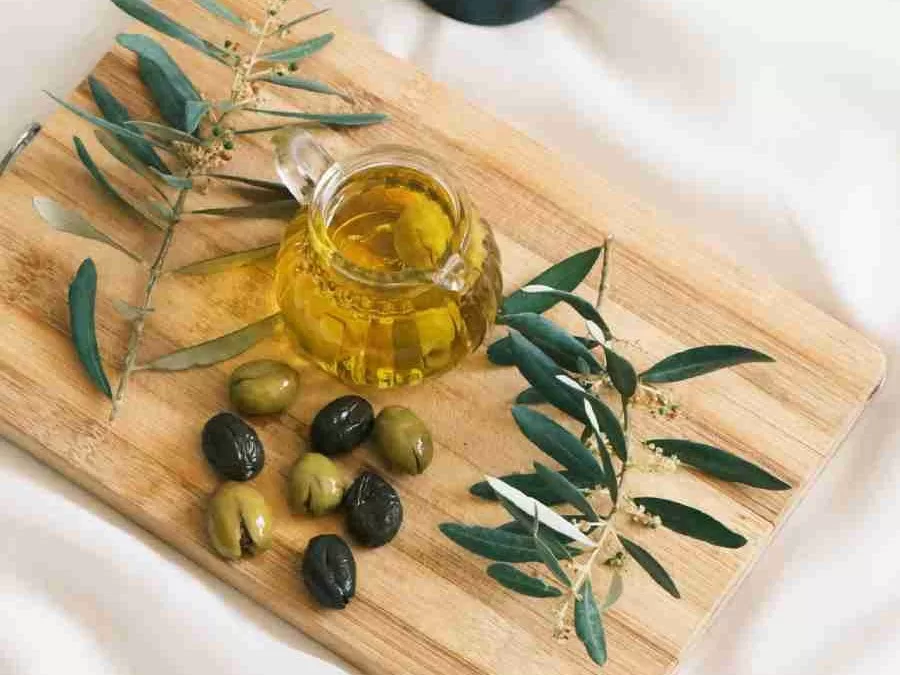
Unlike extra virgin olive oil, which is simply pressed from olives, most seed oils undergo a harsh manufacturing process. This often involves:
Heating the seeds to very high temperatures.
Using chemical solvents, like hexane, to extract the maximum amount of oil.
“Refining, Bleaching, and Deodorizing” (RBD) the oil to remove impurities and create a neutral-tasting, shelf-stable product.
Critics argue this intense processing not only strips the oil of any potential nutrients but can also create small amounts of harmful trans fats and damage the delicate fats within the oil itself.
3. Chemical Instability (Oxidation)
Seed oils are high in polyunsaturated fatty acids (PUFAs). The chemical structure of PUFAs makes them less stable than saturated or monounsaturated fats. When exposed to high heat (like in a frying pan or a restaurant deep fryer), light, or oxygen, they can easily “oxidize.” Oxidized fats can create harmful compounds called free radicals in the body, which contribute to cellular damage and inflammation.
The Other Side: Why Are They Often Called “Heart-Healthy”?
To have an honest conversation, we need to understand why these oils became so popular in the first place.
For decades, the primary dietary villain in the eyes of many health authorities was saturated fat (from sources like butter, lard, and red meat). Because seed oils are low in saturated fat and high in unsaturated fats, they were promoted as a “heart-healthy” alternative.
Many large-scale observational studies have shown that replacing saturated fats with polyunsaturated fats (the kind found in seed oils) is associated with lower levels of LDL (“bad”) cholesterol. Based on this data, major organizations like the American Heart Association have historically given them a stamp of approval. Critics, however, argue that these studies often don’t account for the overall quality of the diet or the inflammatory effects of an imbalanced Omega-6 to Omega-3 ratio.
Beyond a Single Ingredient: Is Your Entire Diet Working For You?

Choosing healthier oils is a fantastic and powerful step. But it’s just one piece of the puzzle. To truly transform your health, you need a holistic view that goes beyond demonizing single ingredients and instead focuses on creating a diet that deeply nourishes every cell in your body.
The Honest Truth: It’s About Quantity, Quality, and Context
So, are seed oils the absolute evil they’re sometimes made out to be? The honest truth is that the problem isn’t necessarily a single drop of canola oil, but the overwhelming quantity and poor quality of the seed oils in our modern food system.
The real issue is not the occasional use at home, but the fact that they are the default fat used in almost all processed foods (chips, crackers, cookies, granola bars) and for deep frying in most restaurants.
The most practical and impactful approach is not to live in fear, but to control what you can control: your own kitchen. By making simple swaps for the oils you cook with every day, you can dramatically improve your Omega-6 to Omega-3 ratio and reduce your intake of highly processed ingredients.
Your Healthy Oil Swaps:
For High-Heat Cooking (Sautéing, Roasting): Avocado Oil, Ghee (clarified butter), Coconut Oil.
For Salad Dressings & Low-Heat Finishing: Extra Virgin Olive Oil.
This isn’t about achieving perfection. It’s about making conscious choices that build better health over time, one meal at a time.
The content in this article is for informational purposes only and is not intended to be a substitute for professional medical advice, diagnosis, or treatment. Always seek the guidance of your doctor or other qualified health professional with any questions you may have regarding your health or a medical condition.